September 26, 2024
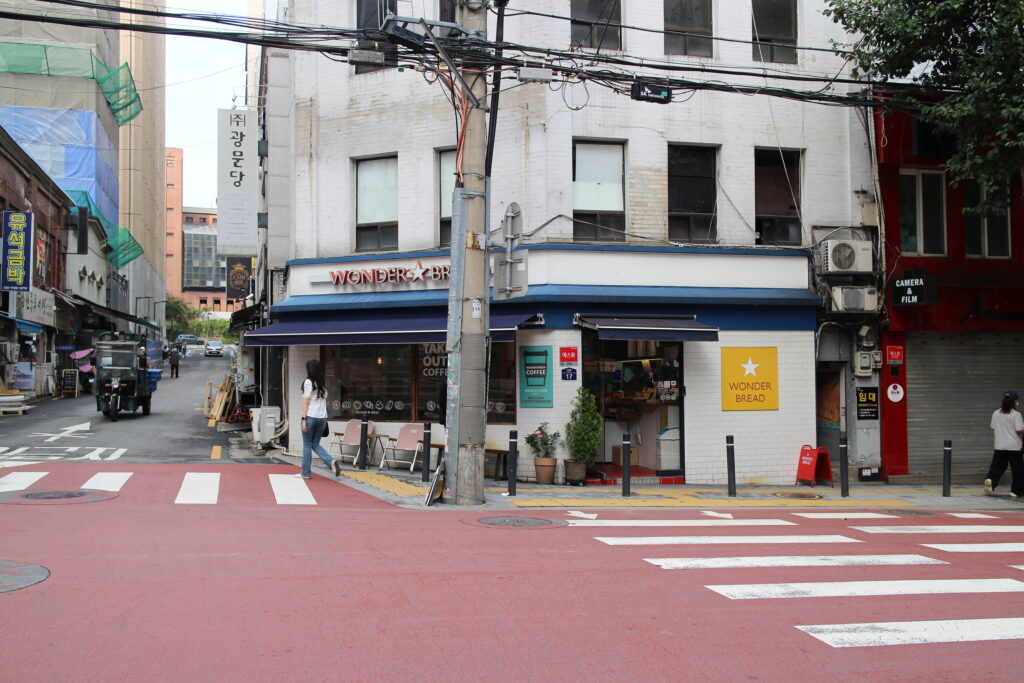
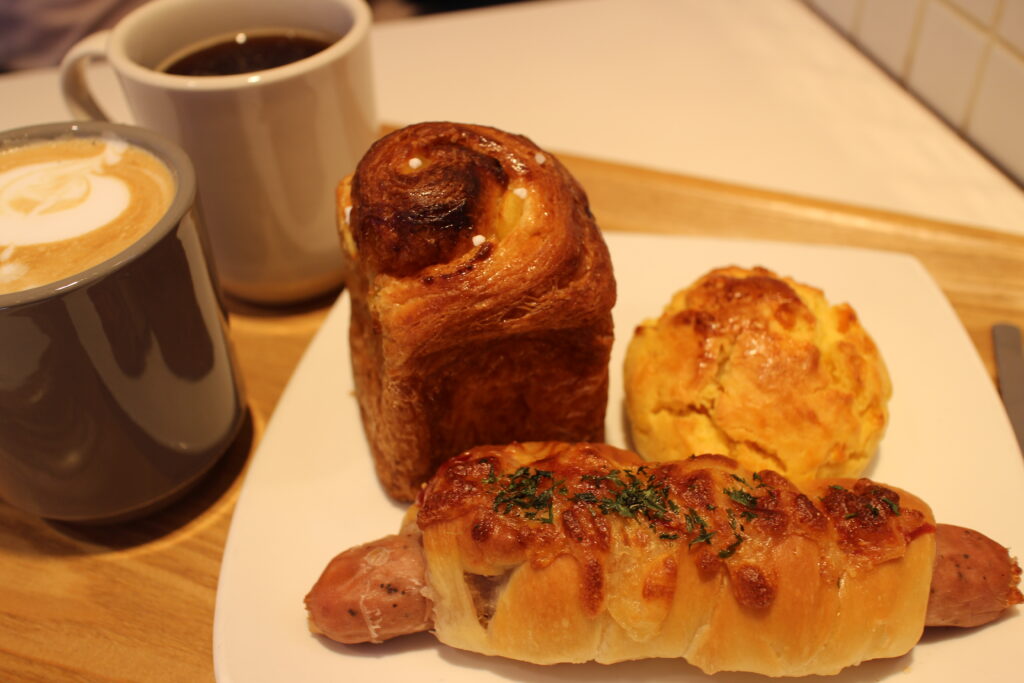
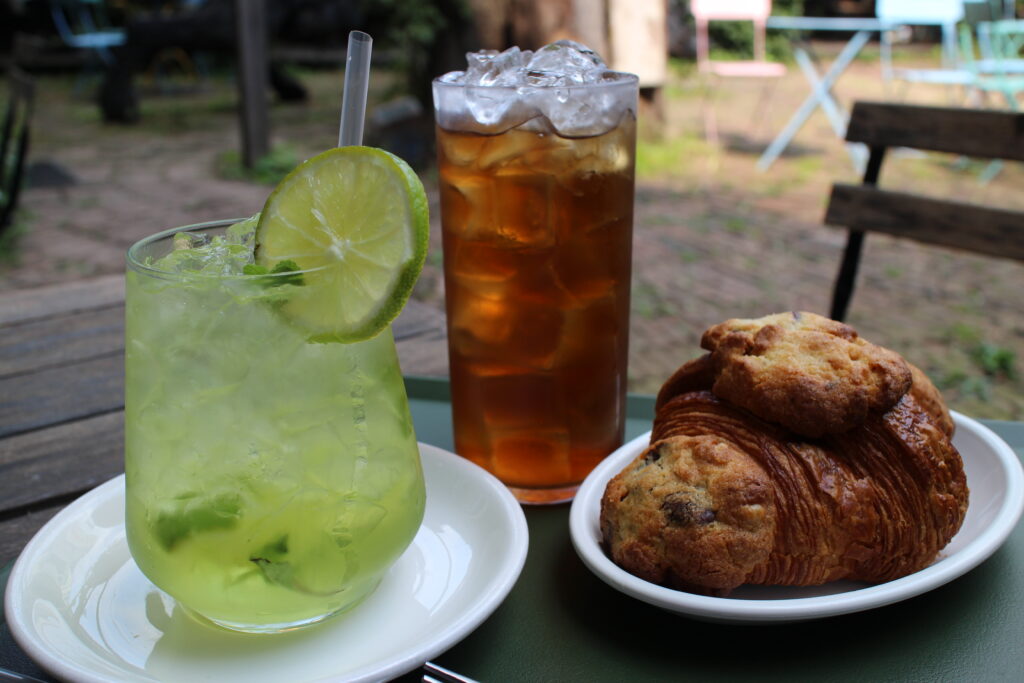
We had breakfast at WONDER BREAD, near INN-The City MyeongDong. The bread was delicious. When one of the staff members handed us our order, they said, “Please enjoy.” We had delicious bread and coffee for 14,400 KRW. WONDER BREAD still has a location listed near Chungmuro.
We topped up our Tmoney card at a ticket machine at the station and took the subway to Bukchon Hanok Village.
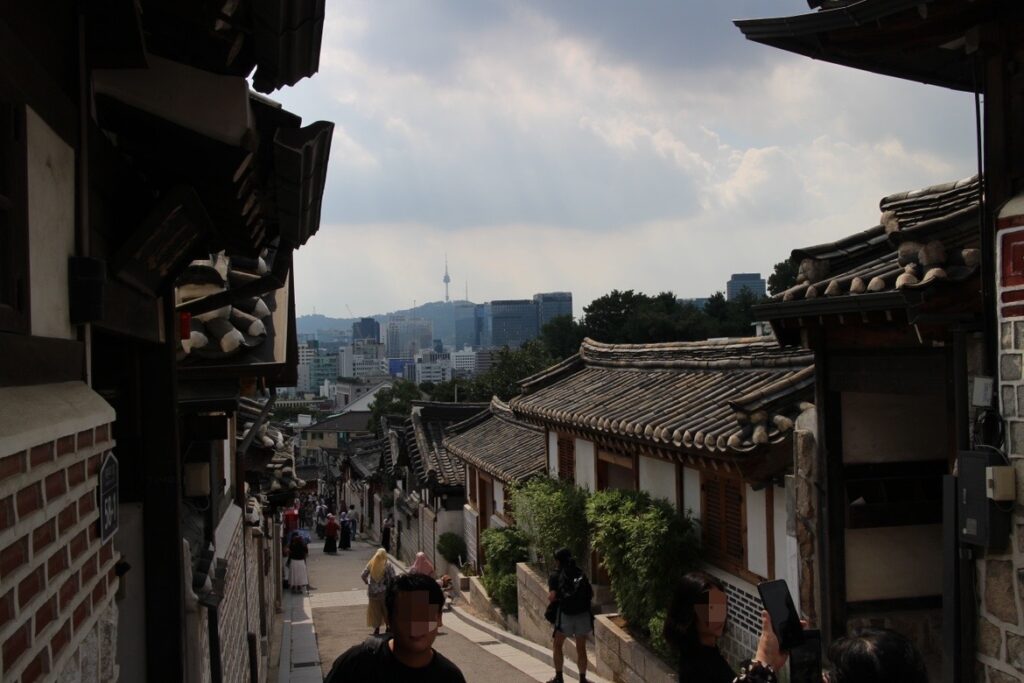
Bukchon is an area filled with traditional hanok houses, and it is also a residential neighborhood where people actually live. Some of the hanok buildings have been converted into shops, cafés, galleries, and other businesses.
The reason we decided to visit was because I had watched a YouTube video by U-Ji Kōji.
There are renovated hanok buildings used as shops, cafés, and galleries, but at the same time, this is still a residential neighborhood. I thought that living there must be difficult when it gets noisy. Even so, it is such an atmospheric place that I ended up visiting anyway.
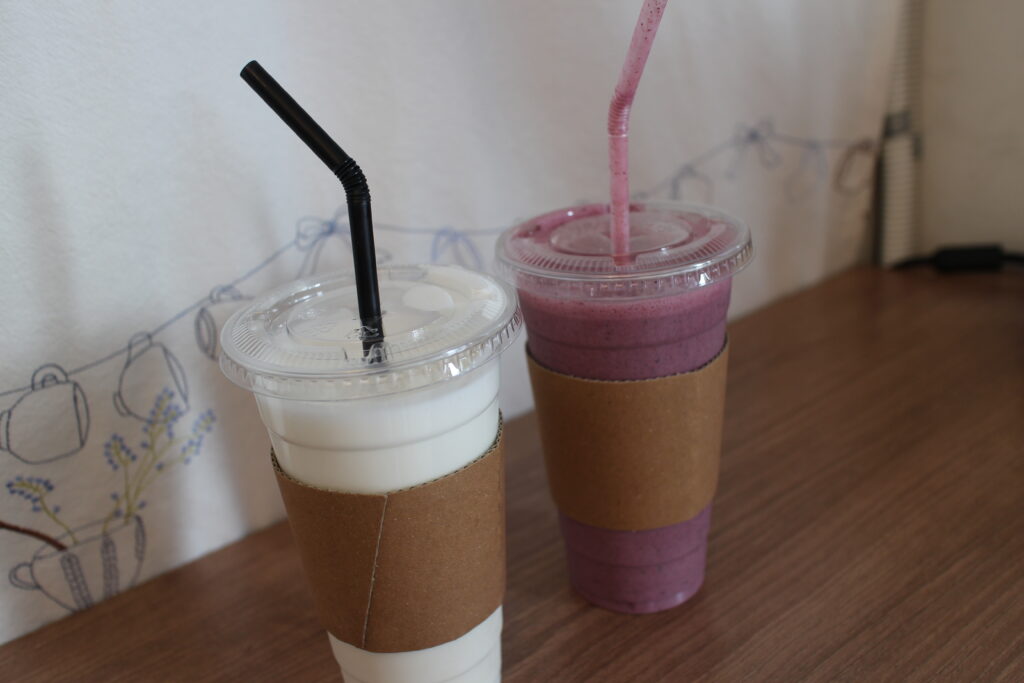
After walking downhill, we stopped at CAFE DA, a small juice stand. The carrot juice had a distinctive bitterness and a subtle sweetness, and I really liked it. My partner had a blueberry yogurt drink. I wondered if Korean people really like yogurt drinks because I saw them quite often. The total was 10,000 KRW.
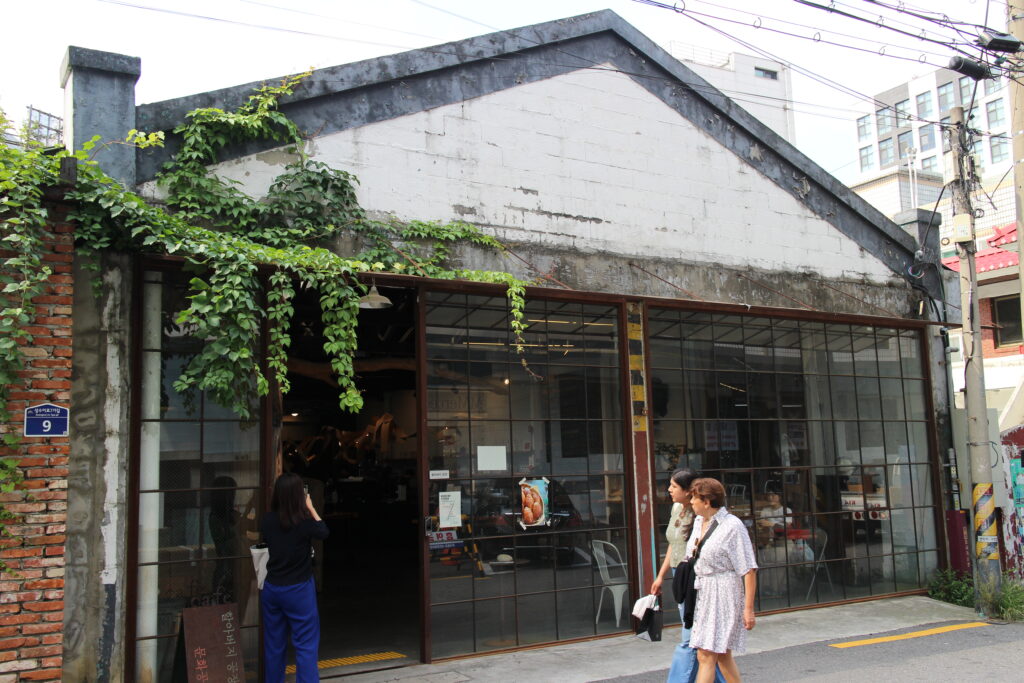
We took the subway to Seongsu-dong and went to Grandpa Factory Cafe.
This café is located in a renovated former factory, and U-Ji Kōji had also visited the place to film a YouTube video. It was a spacious café with a second floor, and the tables were spaced far enough apart that we could relax comfortably.
I had the impression that Seongsu-dong was not a pedestrian-only area and that there was surprisingly heavy car traffic.
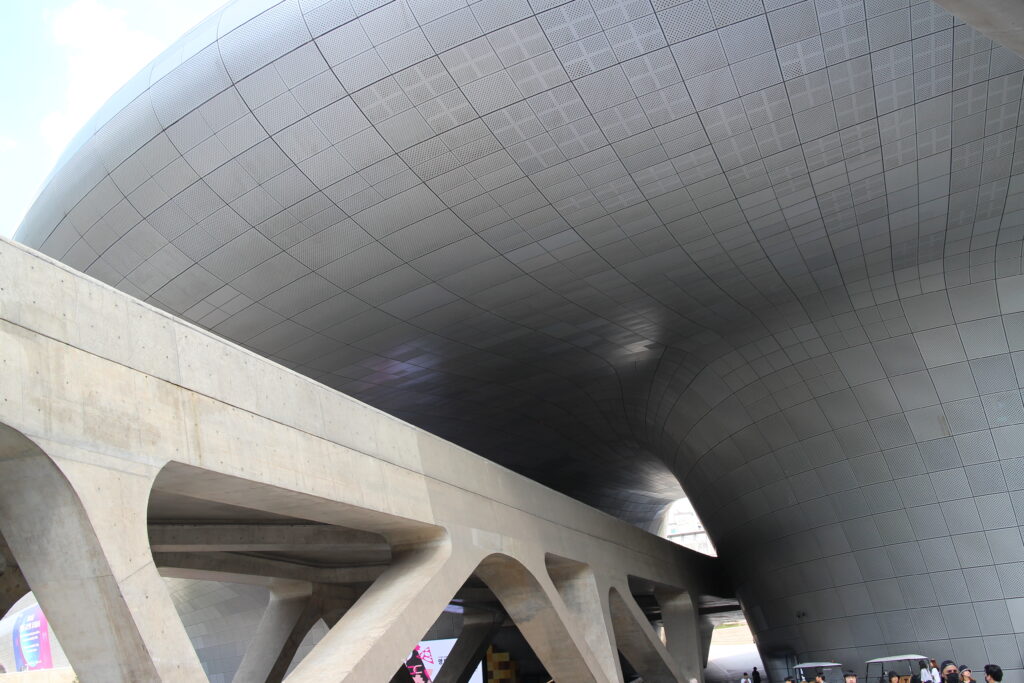
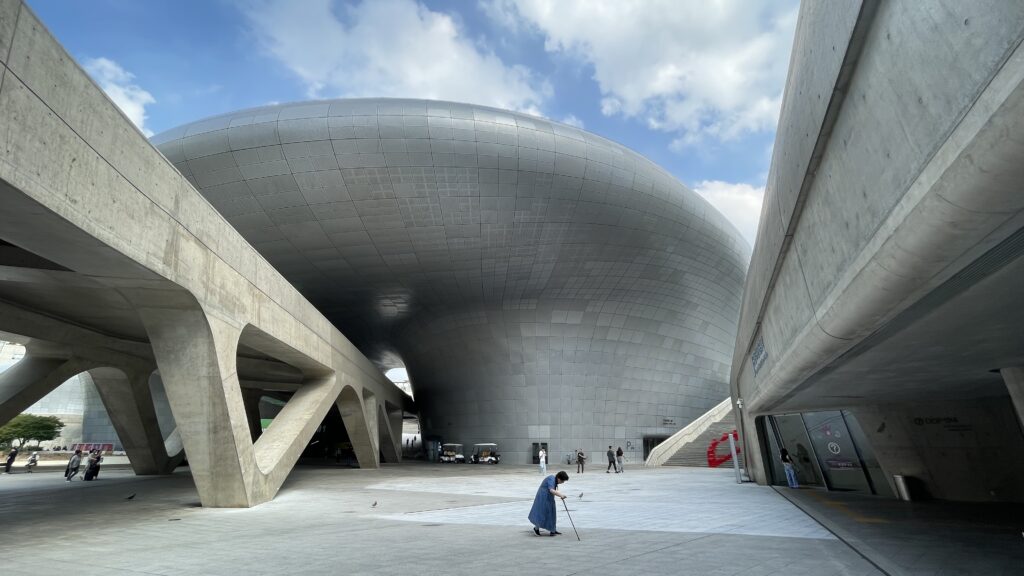
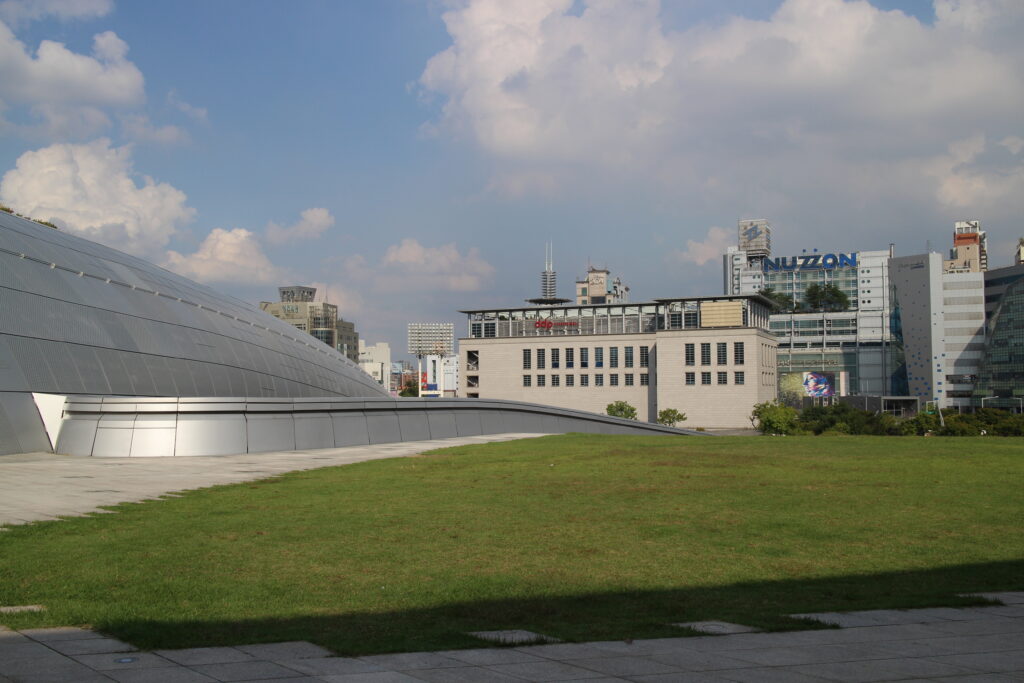
We took the subway to Dongdaemun. Dongdaemun Design Plaza (DDP) looked really cool, and I was impressed by the park-like space on the roof. DDP was designed by Zaha Hadid and has become one of Seoul’s landmarks.
We went to SPAREX Dongdaemun, a Korean-style public bath and sauna. Admission was 12,000 KRW per person.
At the reception desk, I asked if I could make a reservation for a body scrub, and they told me to make the reservation in the changing room. When we entered the bathing area, there was a price list for the body scrub, so I simply pointed at the option I wanted.
The body scrub and massage cost 41,000 KRW (4,417 yen) per person. Credit cards were not accepted, so we had to pay in cash. The body scrub alone was 26,000 KRW.
The body scrub was… pretty intense. I actually wondered whether it was good for my skin. Afterwards, my skin was red and felt sore.
SPAREX also had a dome-shaped jjimjilbang sauna and an ice sauna. There was a water dispenser, and there was plenty of space where people could lie down, so it seemed like a place where you could easily spend a long time.
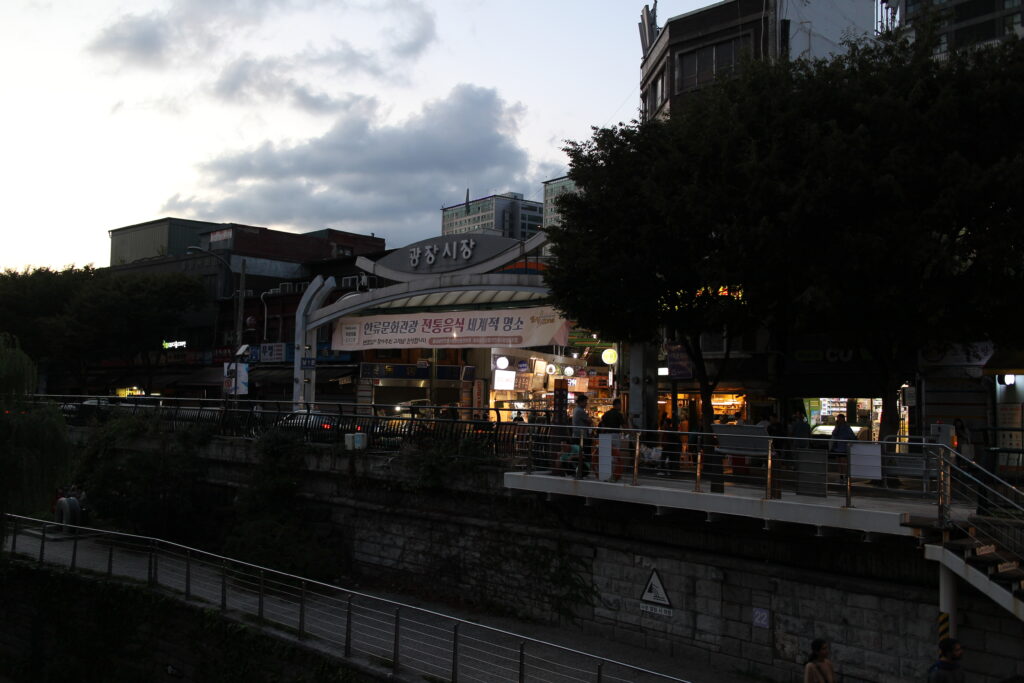
We left SPAREX and walked to Gwangjang Market for dinner.
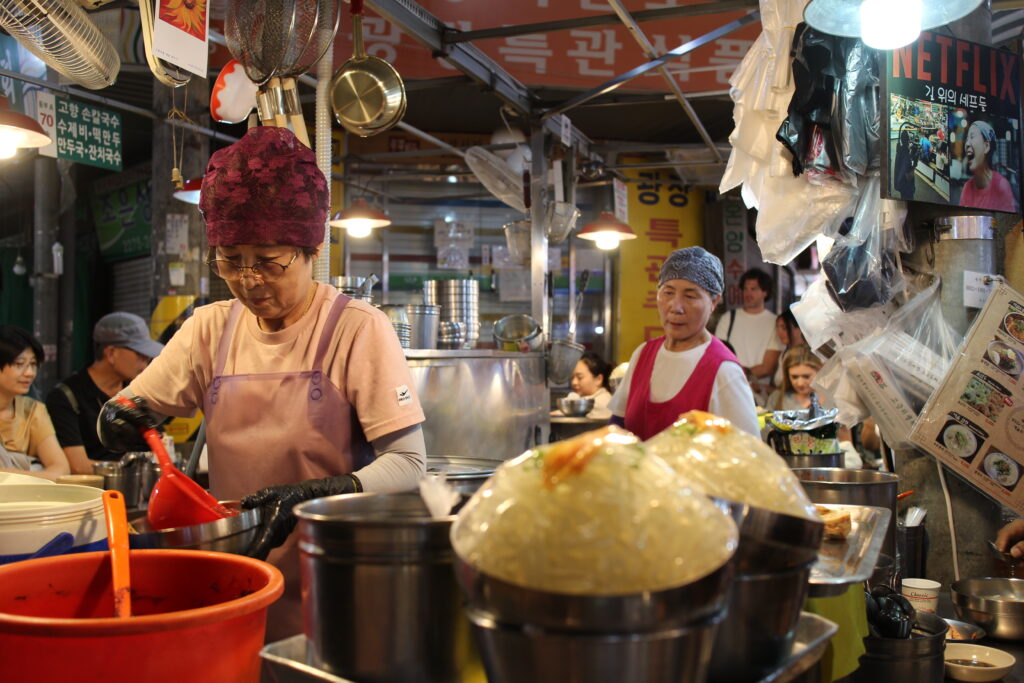
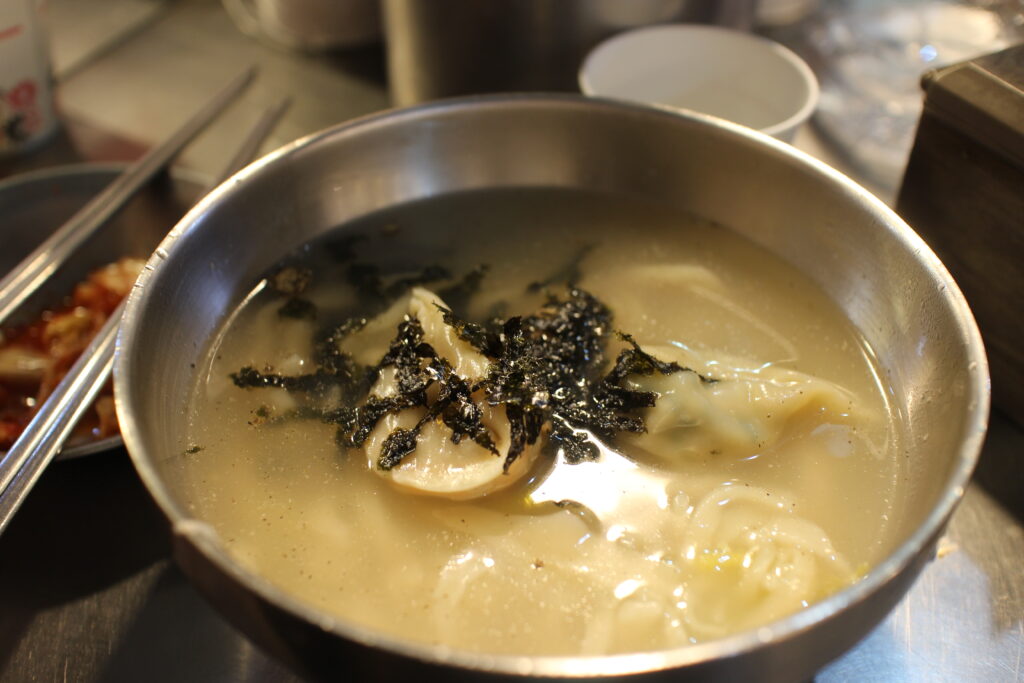
There was a kalguksu place that had been featured on Netflix, and there was a huge line. So we decided to join the queue and try it ourselves. One bowl cost 7,000 KRW. It was delicious, although I thought it might have had a little too much pepper.
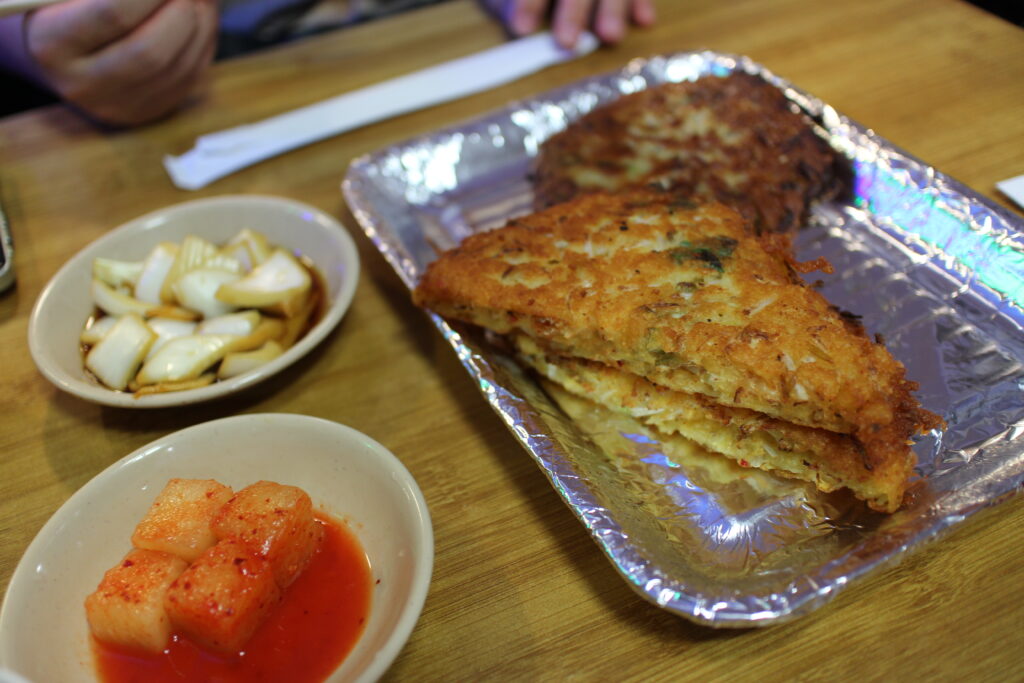
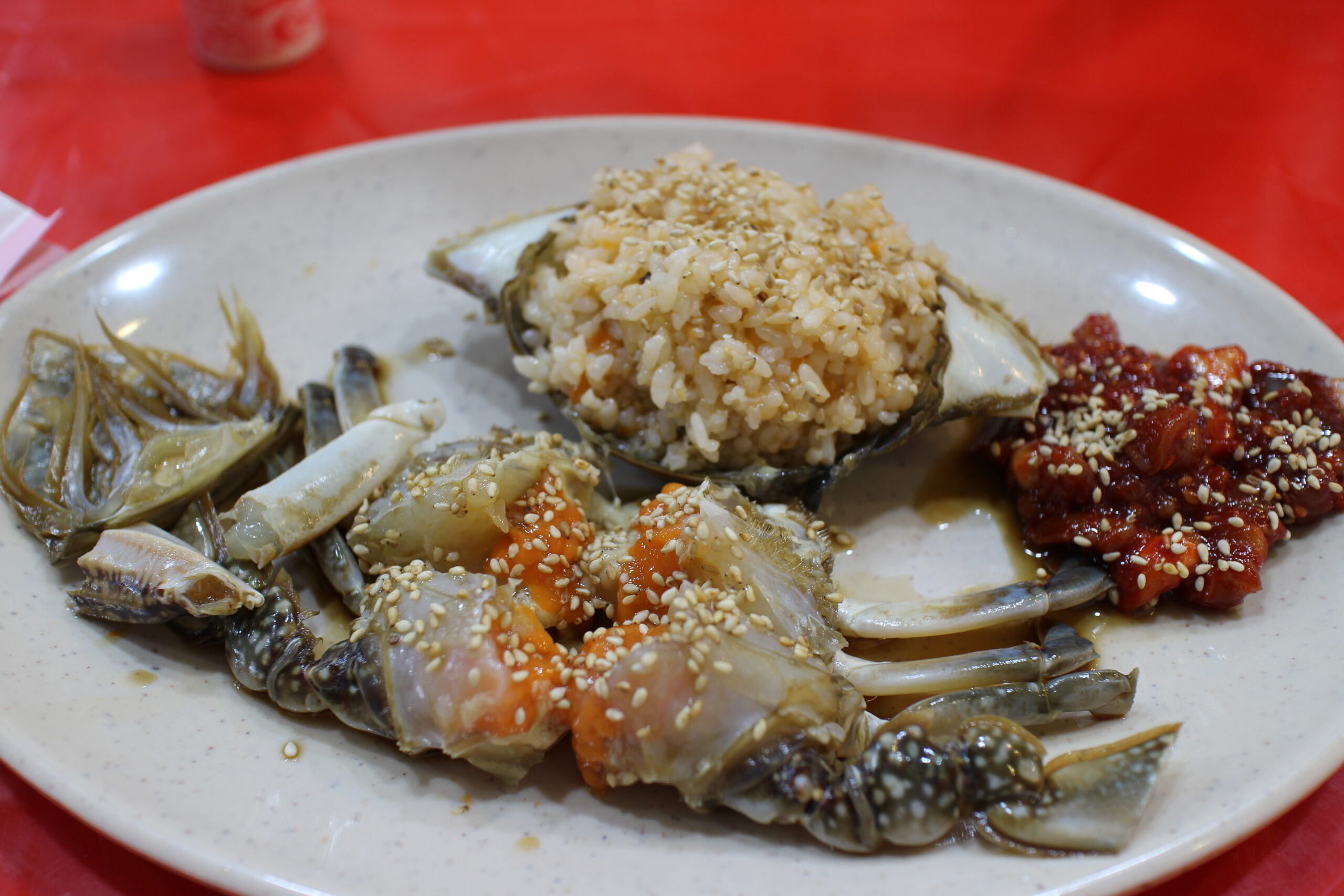
We also ate mung bean pancakes and meat pancakes for 8,000 KRW, as well as ganjang-gejang.
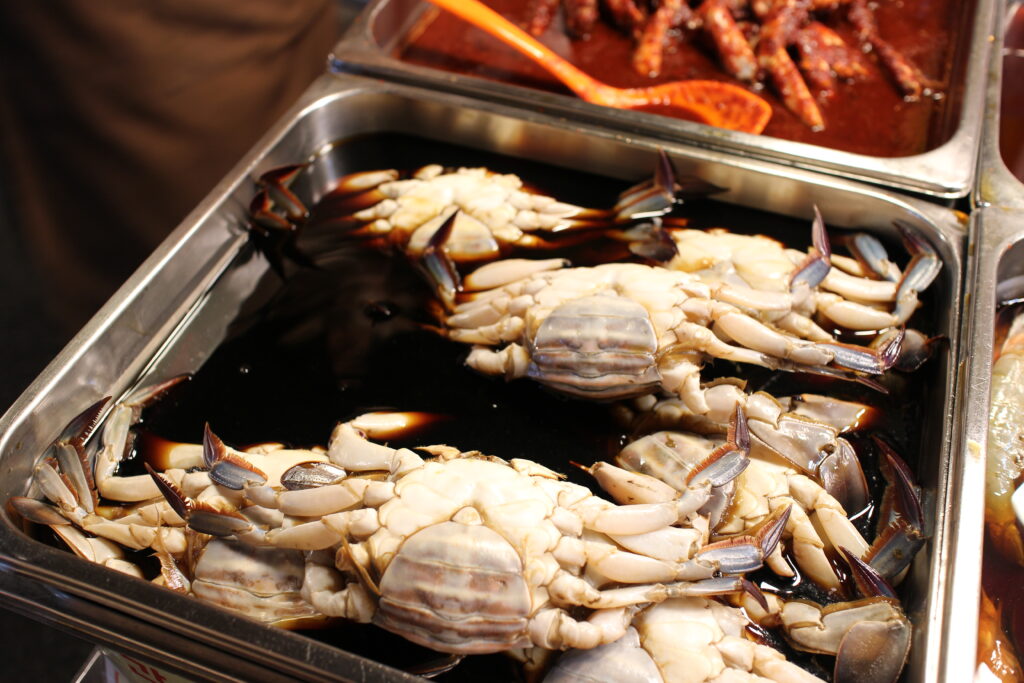
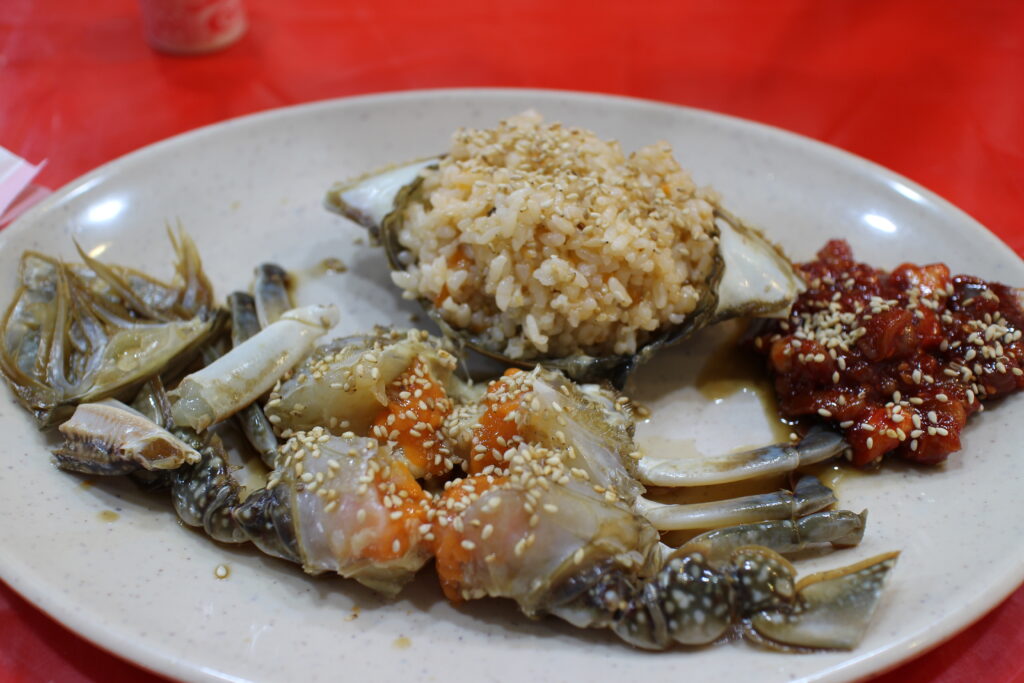
Ganjang-gejang is a Korean dish made by marinating blue crab in a soy sauce-based sauce and allowing it to mature. I learned about this dish from a U-Ji Kōji YouTube video, and I really wanted to try it. It was incredibly delicious.
The person sitting next to us and quietly eating alone turned out to be a traveler from Japan. She told us that she had eaten ganjang-gejang here two days earlier, and because she had been so impressed by how delicious it was, she had come back to eat it one more time before returning home.
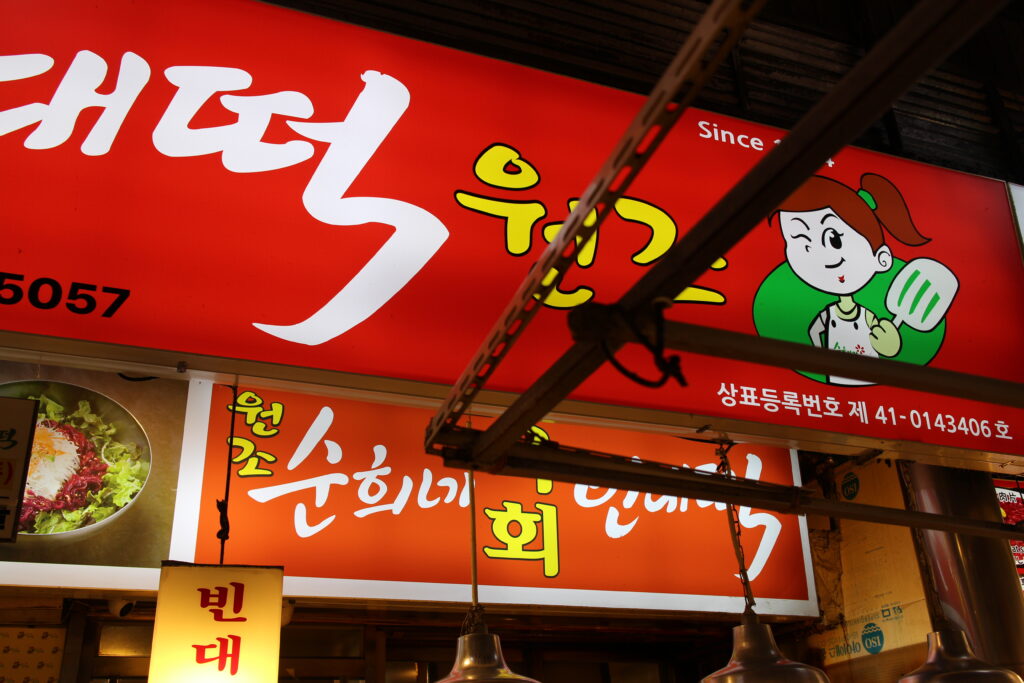
The restaurant was SOONHEUNINE BANCHAN. The ganjang-gejang cost 20,000 KRW.
We also had a twisted glutinous-rice doughnut at a shop near one of the market exits. It cost 1,000 KRW. It was freshly made, fluffy, hot, and delicious.