Early July 2026
Murin-an and the Landscape Design of Ogawa Jihei VII
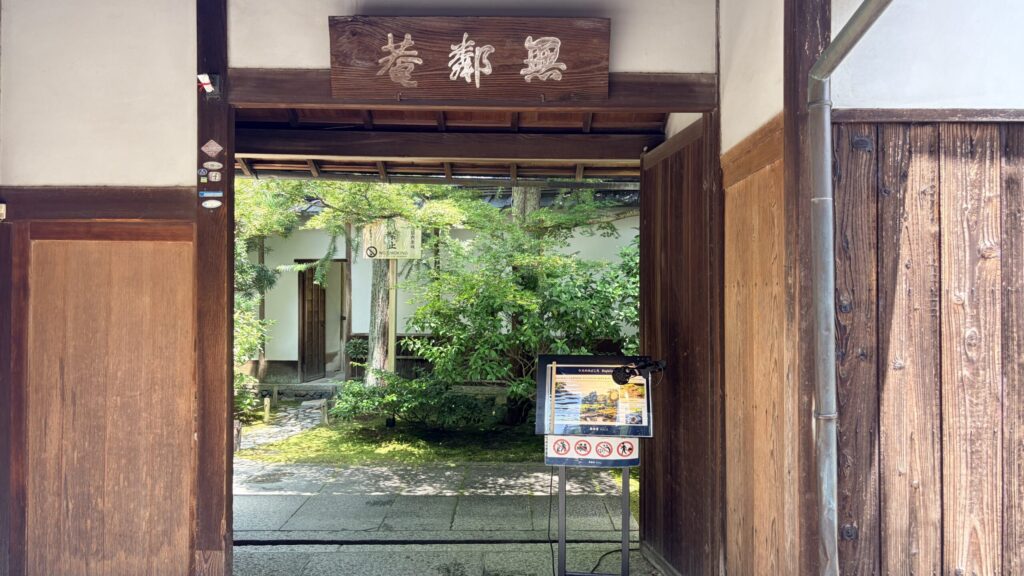
On the third day, we visited Murin-an.
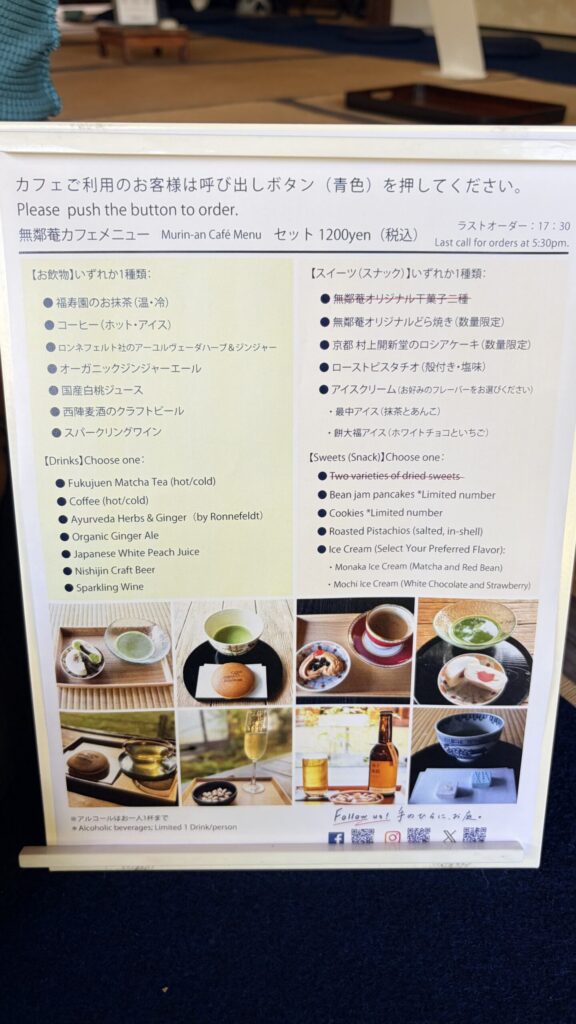
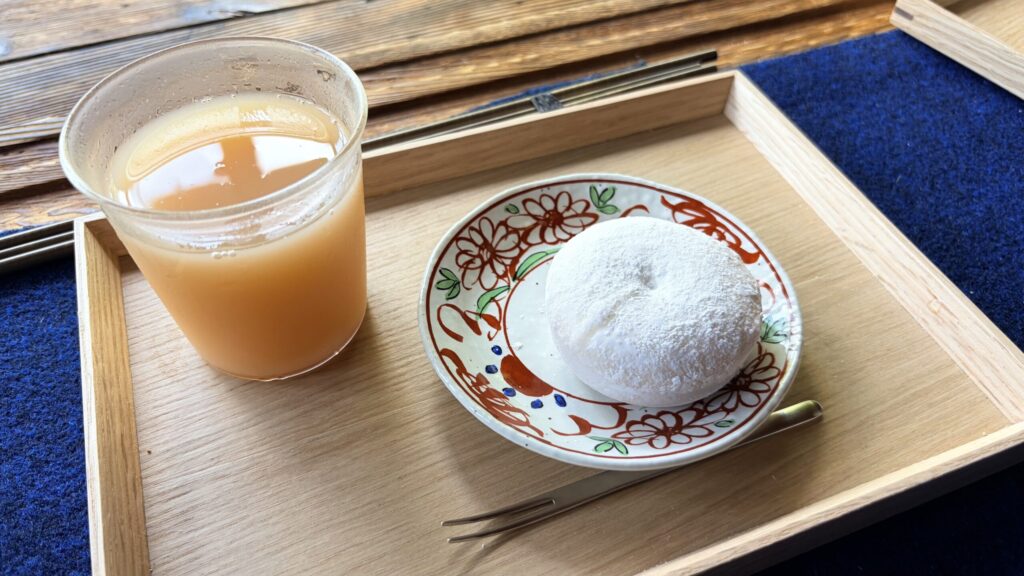
Before the trip, I had learned that the number of visitors admitted each day is limited, so I purchased our tickets in advance through the official website. We chose a ticket that included admission, a drink, and a traditional Japanese sweet, which cost 1,800 yen per person.
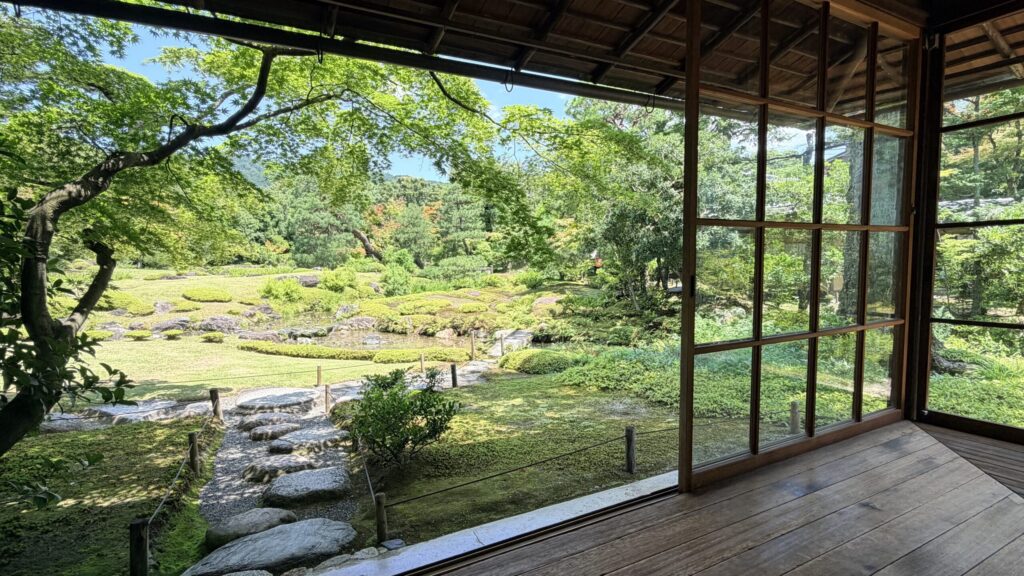
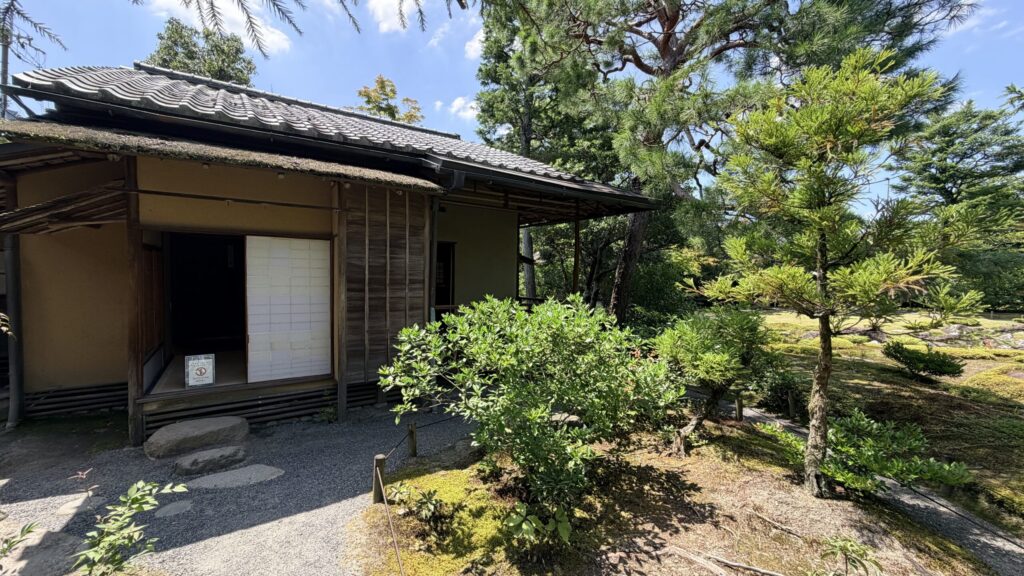
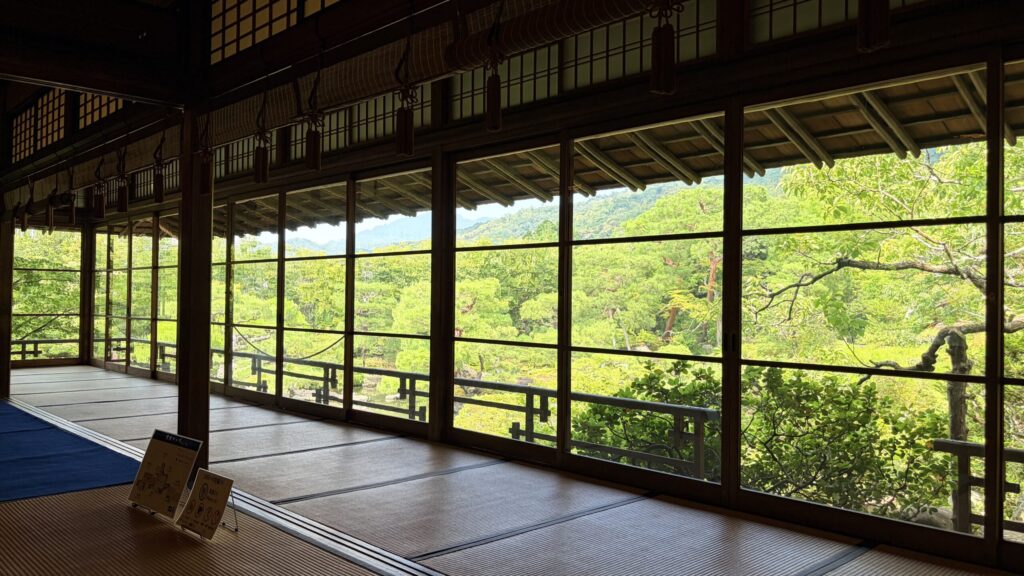
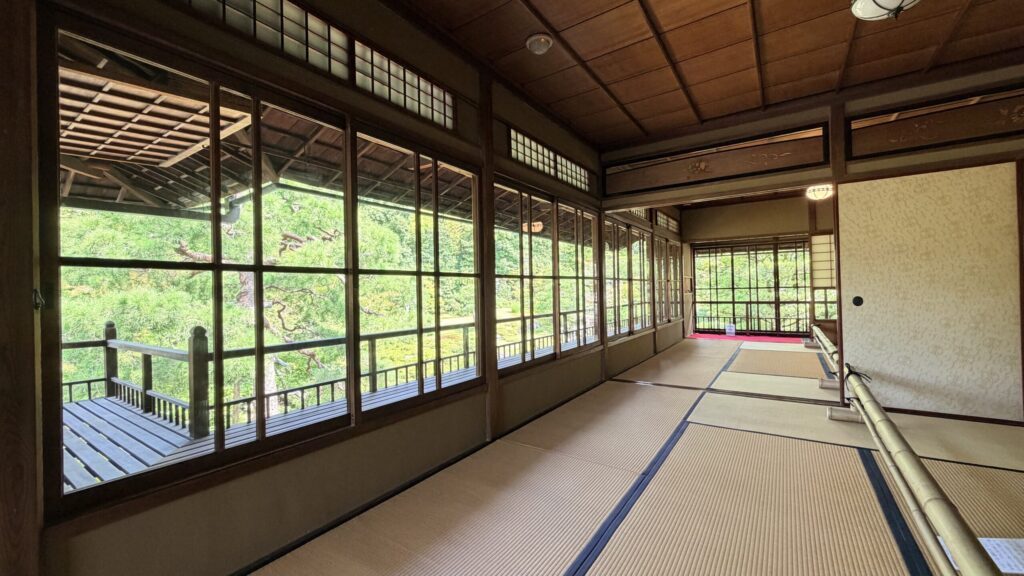
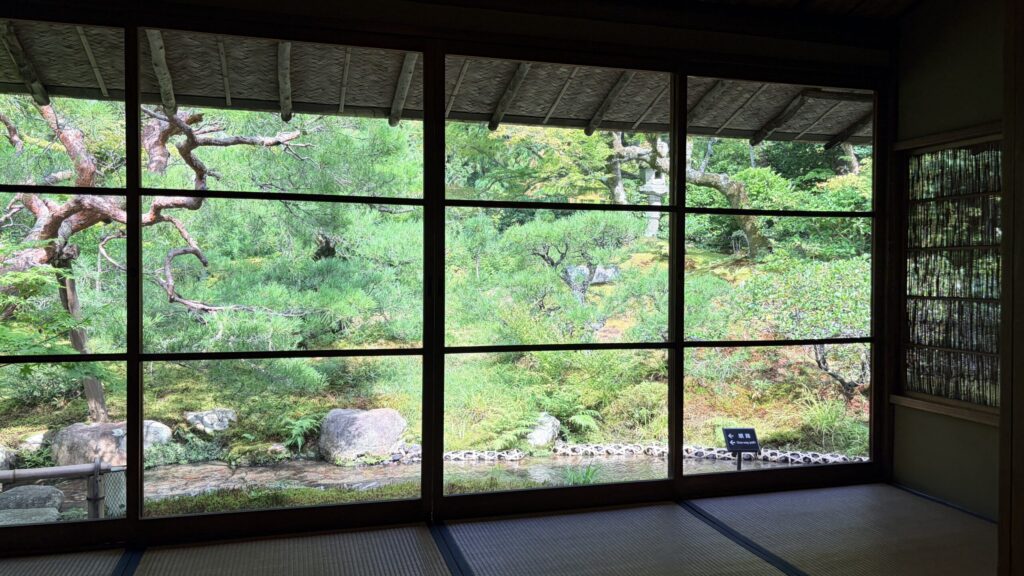
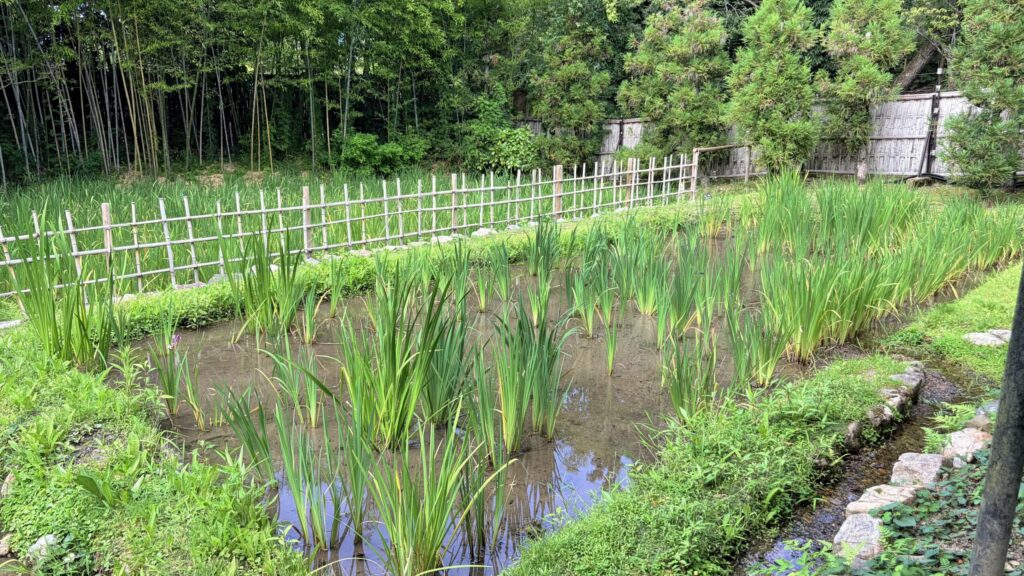
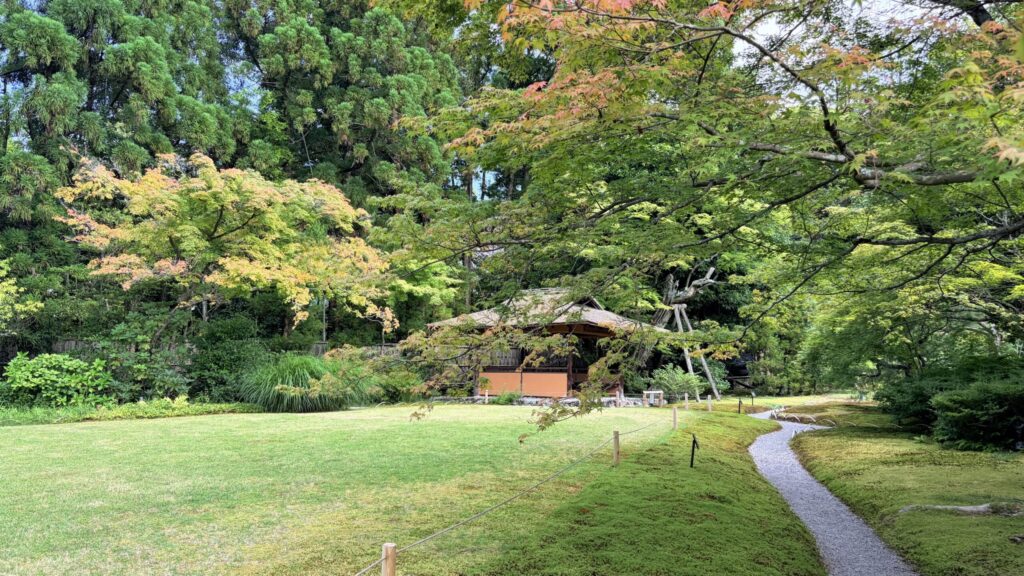
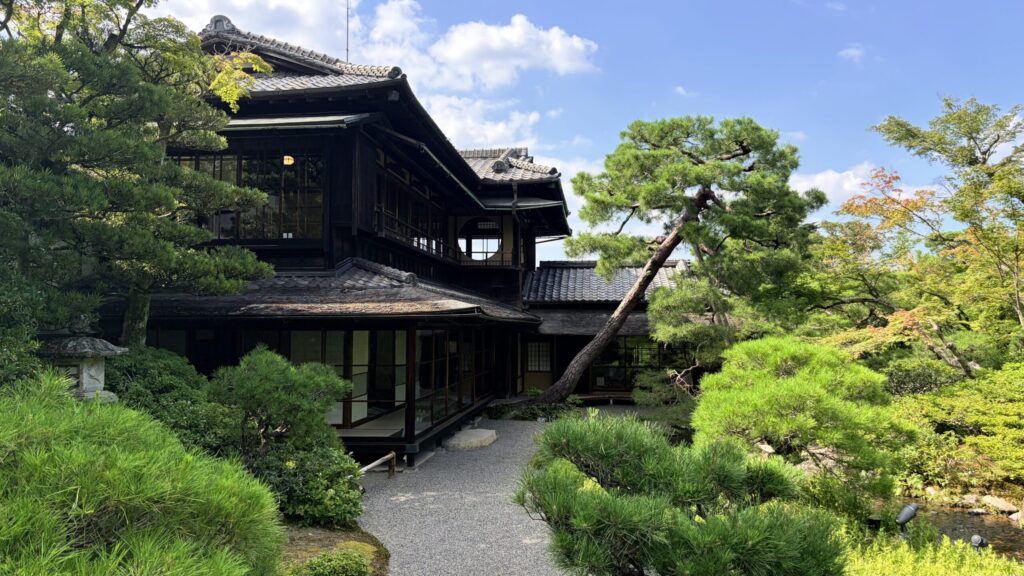
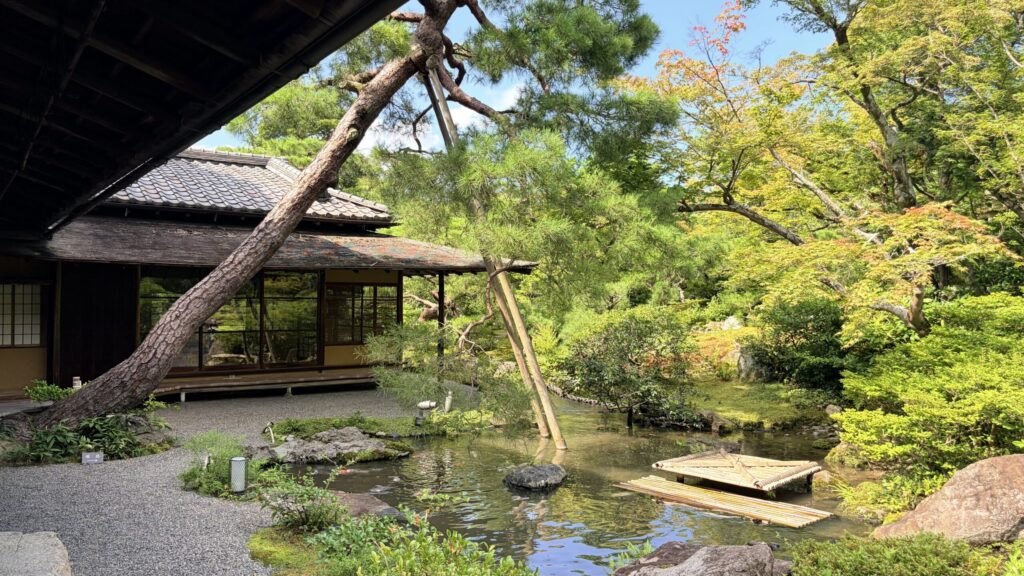
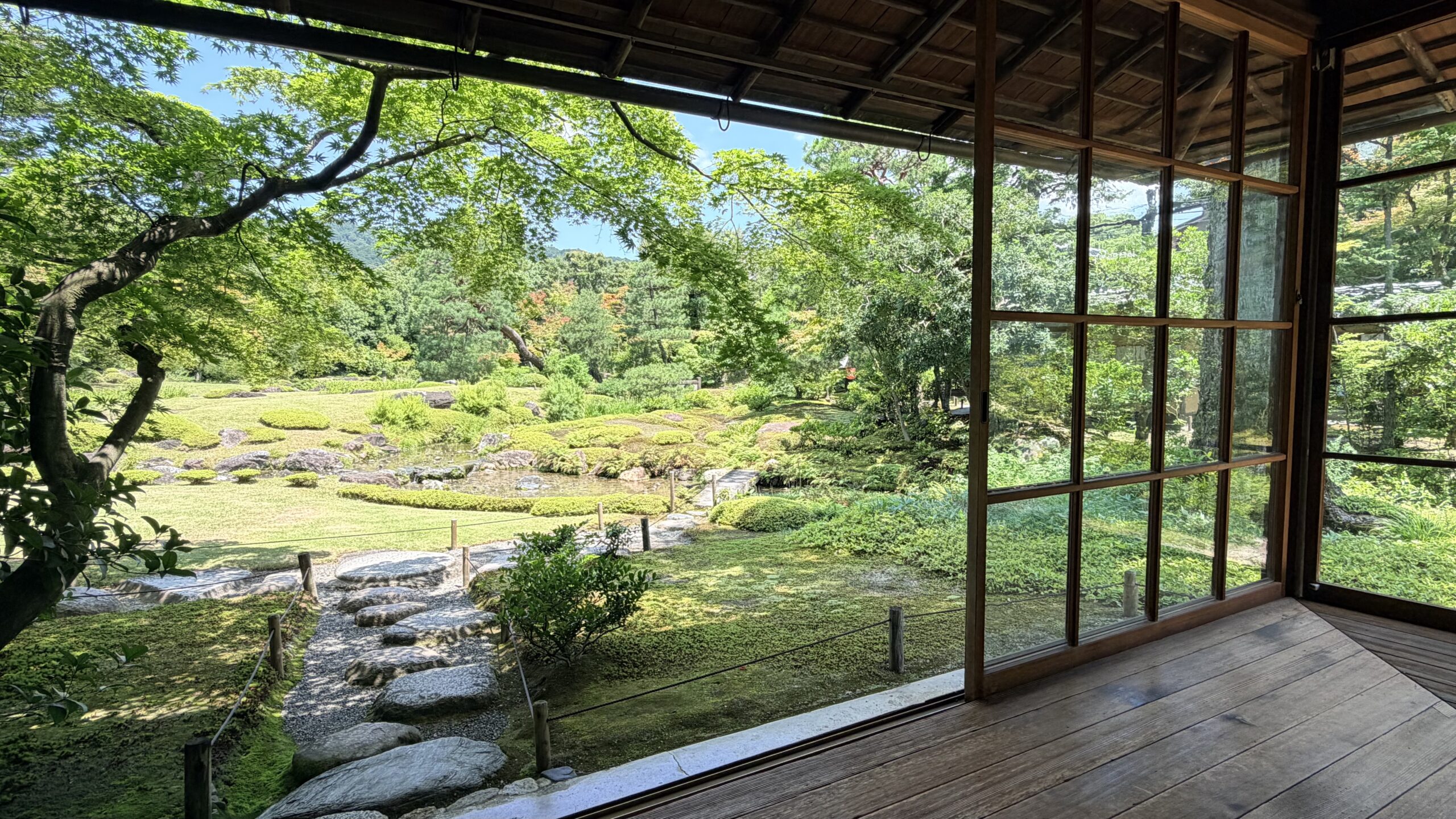
Murin-an was once the villa of Aritomo Yamagata, a prominent statesman of the Meiji era. The garden is best known for its beautiful composition, which incorporates the scenery of Kyoto’s eastern mountains.
According to one of the staff members, however, Yamagata himself disliked describing the garden as one that “borrowed” the surrounding scenery. Instead, he believed that the Higashiyama Mountains should be regarded as the garden’s principal mountain, around which the entire landscape was designed.
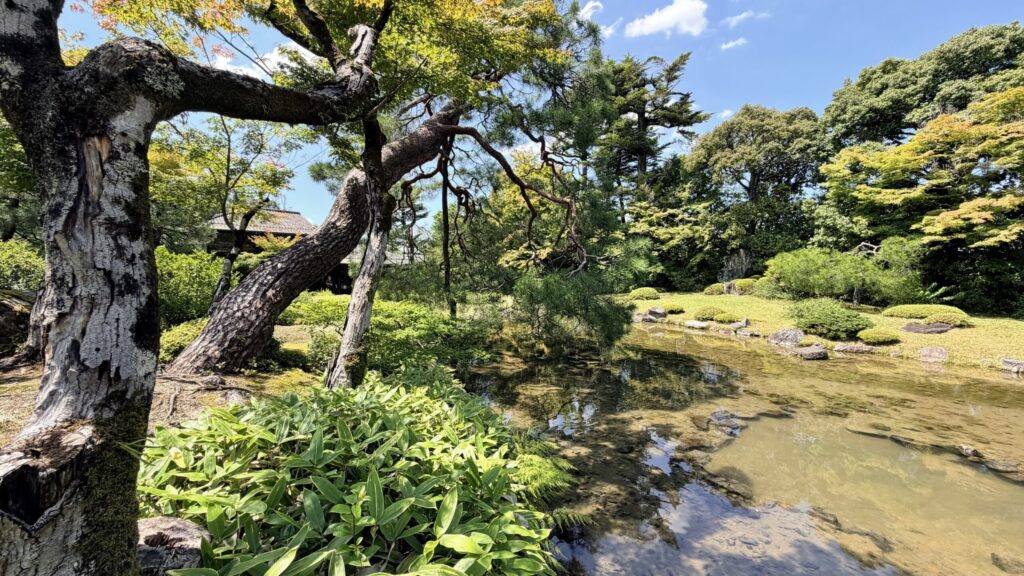
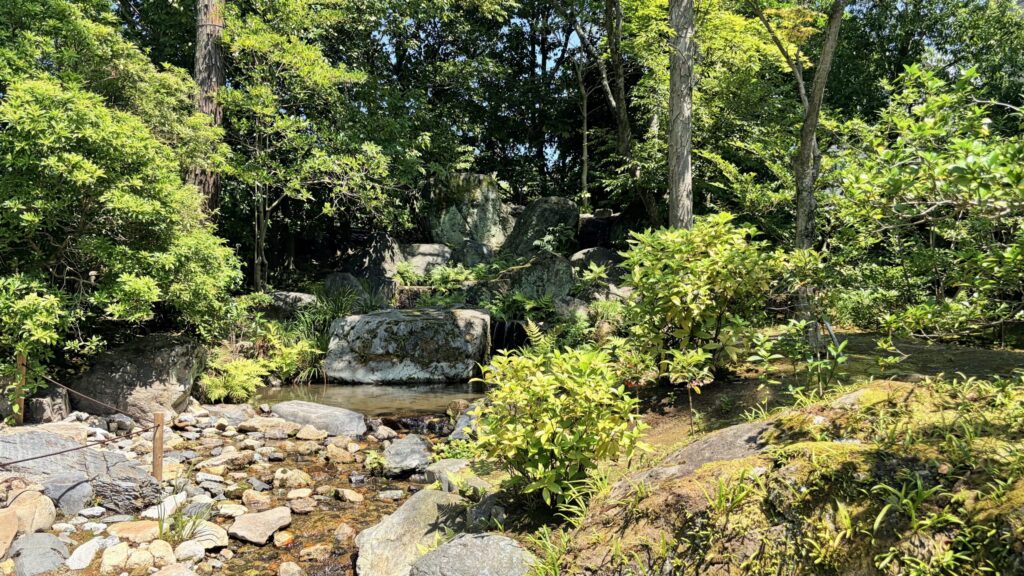
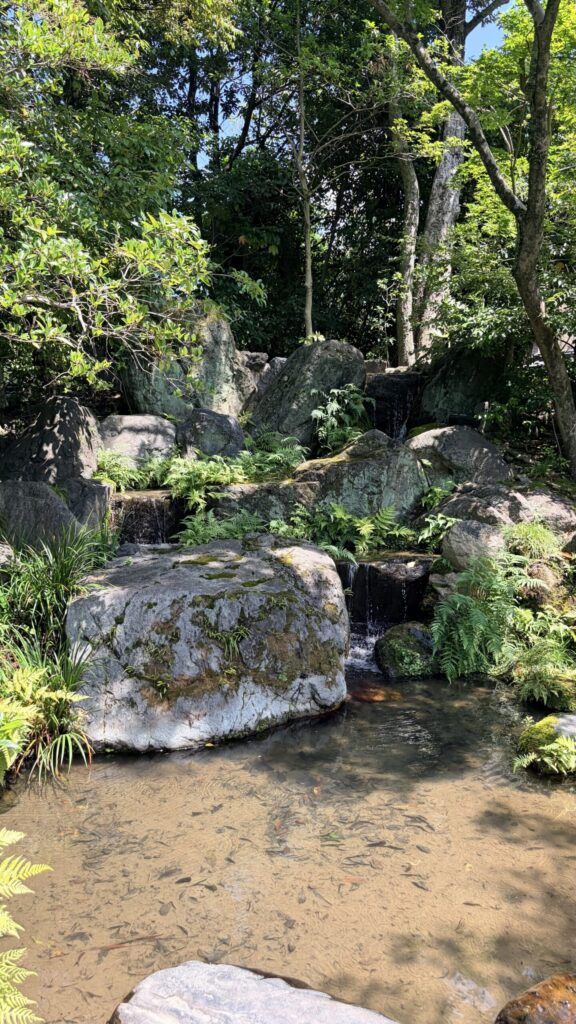
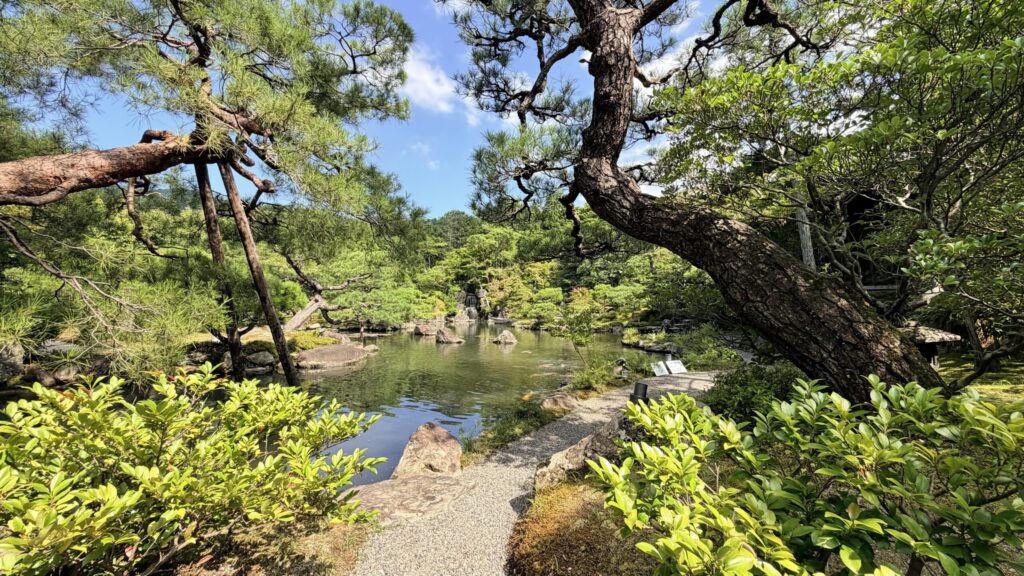
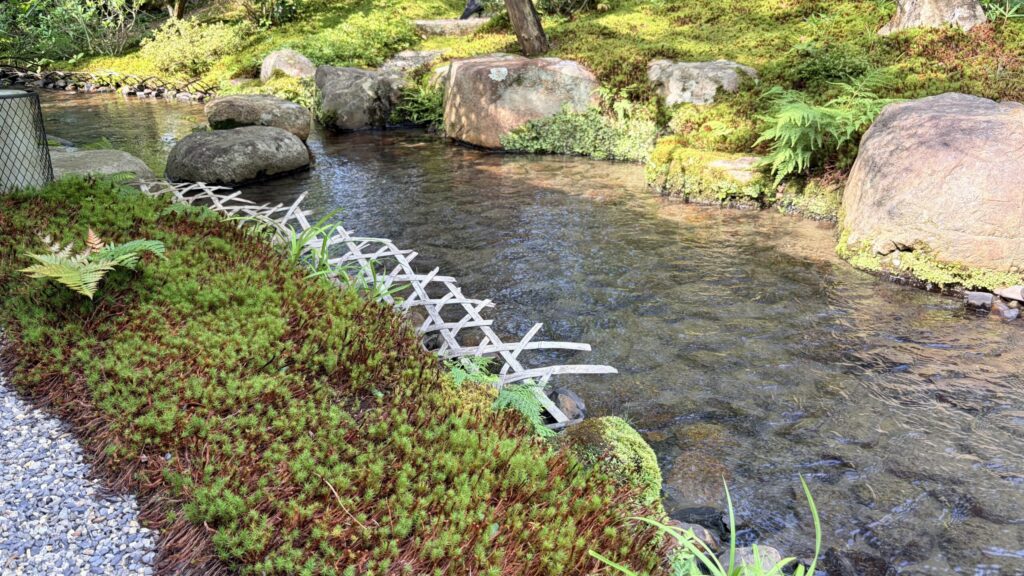
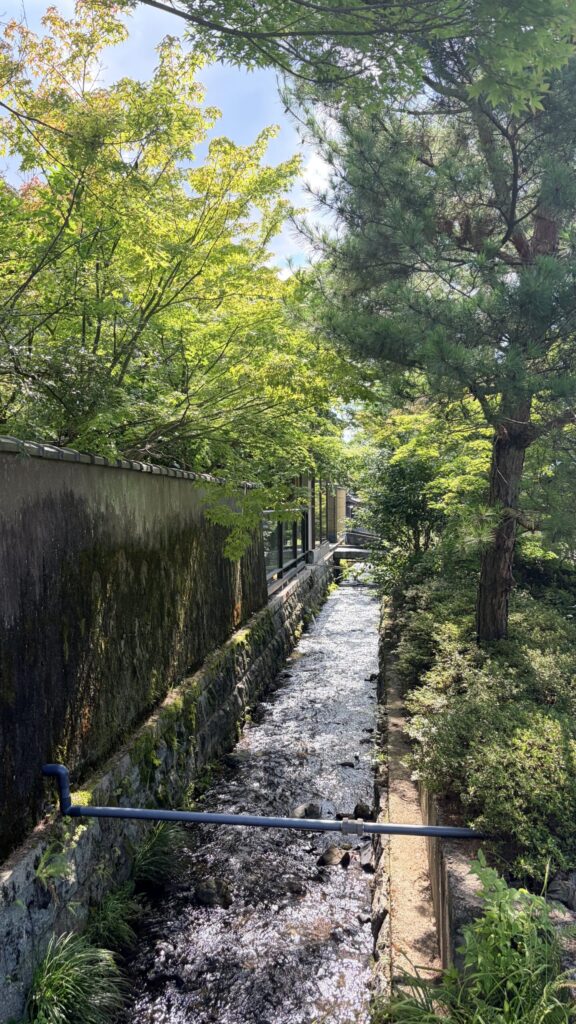
The staff member also explained that water is drawn from the Lake Biwa Canal using the siphon principle, eliminating the need for pumps to circulate water through the pond and streams. As a result, fresh water is constantly flowing throughout the garden.
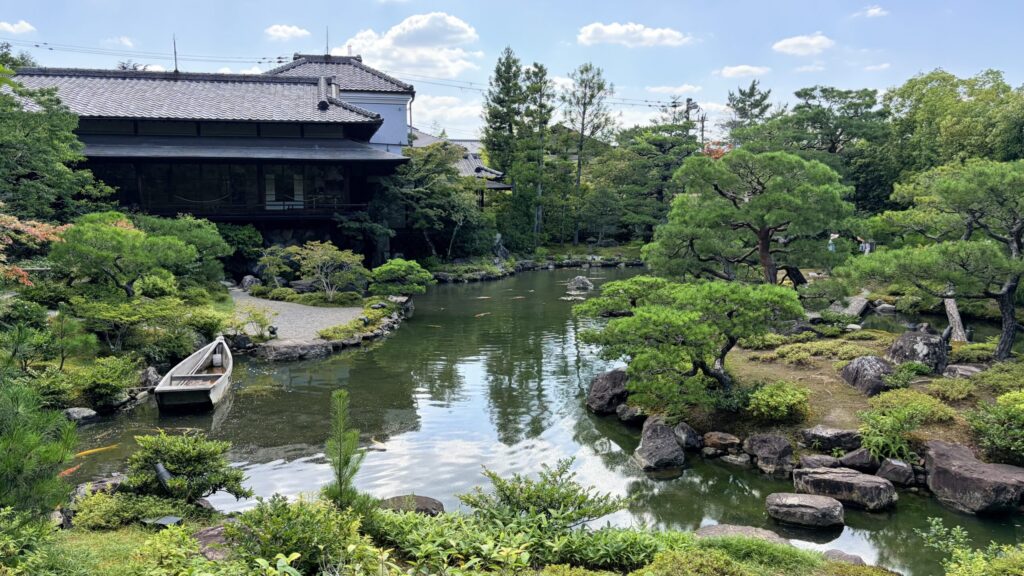
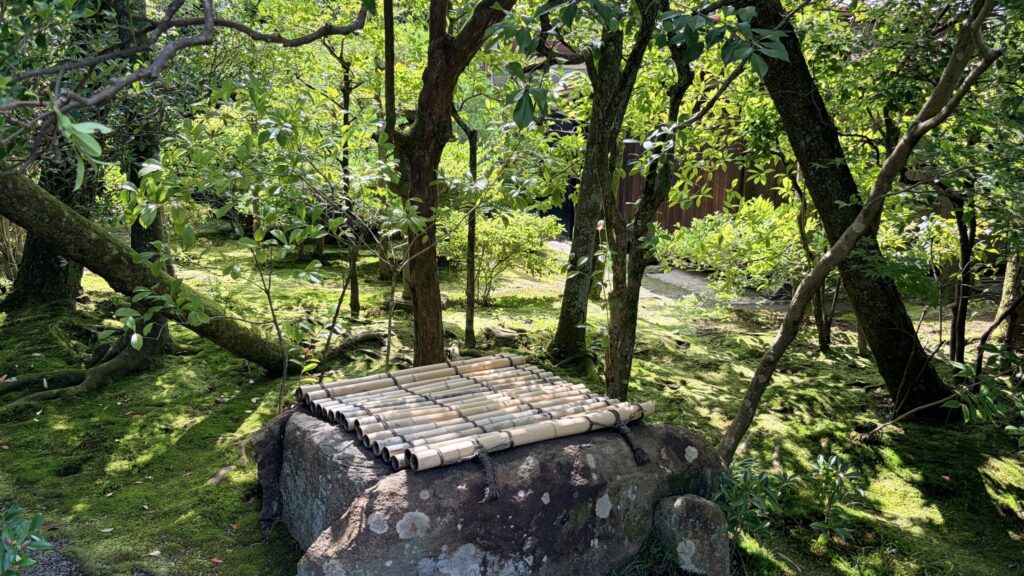
Although the garden is not particularly large, walking through it reveals a different view from every angle. I found it to be an exceptionally well-designed landscape garden.
One of the staff members also told us that anyone presenting a Murin-an admission ticket on the same day would receive a 1,000-yen discount on admission to nearby Tairyu Sanso.
Both Murin-an and Tairyu Sanso were designed by the seventh-generation landscape gardener Ogawa Jihei, better known by his professional name Ueji. Today, both gardens are maintained by Ueya Kato Landscape Co., Ltd., which carries on his landscaping tradition. That, we were told, is the reason the two sites offer a reciprocal discount.
The staff member also mentioned that the garden now known as Ganko Takasegawa Nijo-en was originally Yamagata’s Second Murin-an. It, too, is a strolling garden renovated by Ueji. I’d like to visit it someday.
Tairyu Sanso and the Nitori Museum of Art
Since we had already come all the way to Kyoto, we decided to visit Tairyu Sanso as well.
The regular admission fee was 3,000 yen per person, but after showing our Murin-an tickets, the price was reduced to 2,000 yen.
The gardens at Tairyu Sanso were magnificent, but the buildings impressed me just as much.
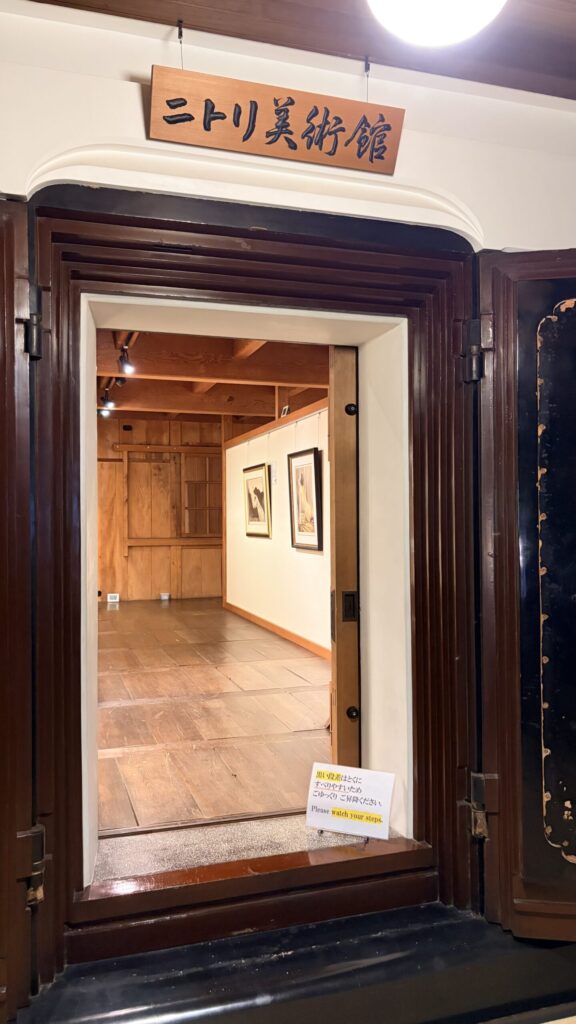
Two traditional storehouses on the property had been converted into exhibition spaces for works of art and decorative crafts. The first displayed exquisite ivory carvings, maki-e lacquerware, and other traditional Japanese crafts. The second featured glass art by Émile Gallé and Daum, along with several paintings, all of which were well worth seeing.
The current owner of Tairyu Sanso is Nitori Holdings Co., Ltd., so one of the storehouses bears a wooden sign reading “Nitori Museum of Art.”
Although the admission fee initially seemed rather expensive, I felt that the experience was more than worth the price.
Lunch at Dragon Burger and a Note on Payments in Kyoto
After thoroughly enjoying Murin-an and Tairyu Sanso, we stopped to rest at Dragon Burger Nanzenji nearby.
I ordered a wasabi burger, and the combination of wasabi and the lean beef patty worked surprisingly well. It was delicious. The freshly fried French fries were excellent too, and with its high ceilings and large windows, the restaurant felt bright, spacious, and very comfortable.
During this trip, I noticed that some of the temples and traditional confectionery shops accepted cash only, while other places, such as Dragon Burger Nanzenji, accepted cashless payment only.
That experience reminded me that, when sightseeing in Kyoto, it’s best to be prepared to use both cash and cashless payment methods, since you never know which one a particular place will accept.